Welcome to Car Evolution
Explore the history and future of automobiles
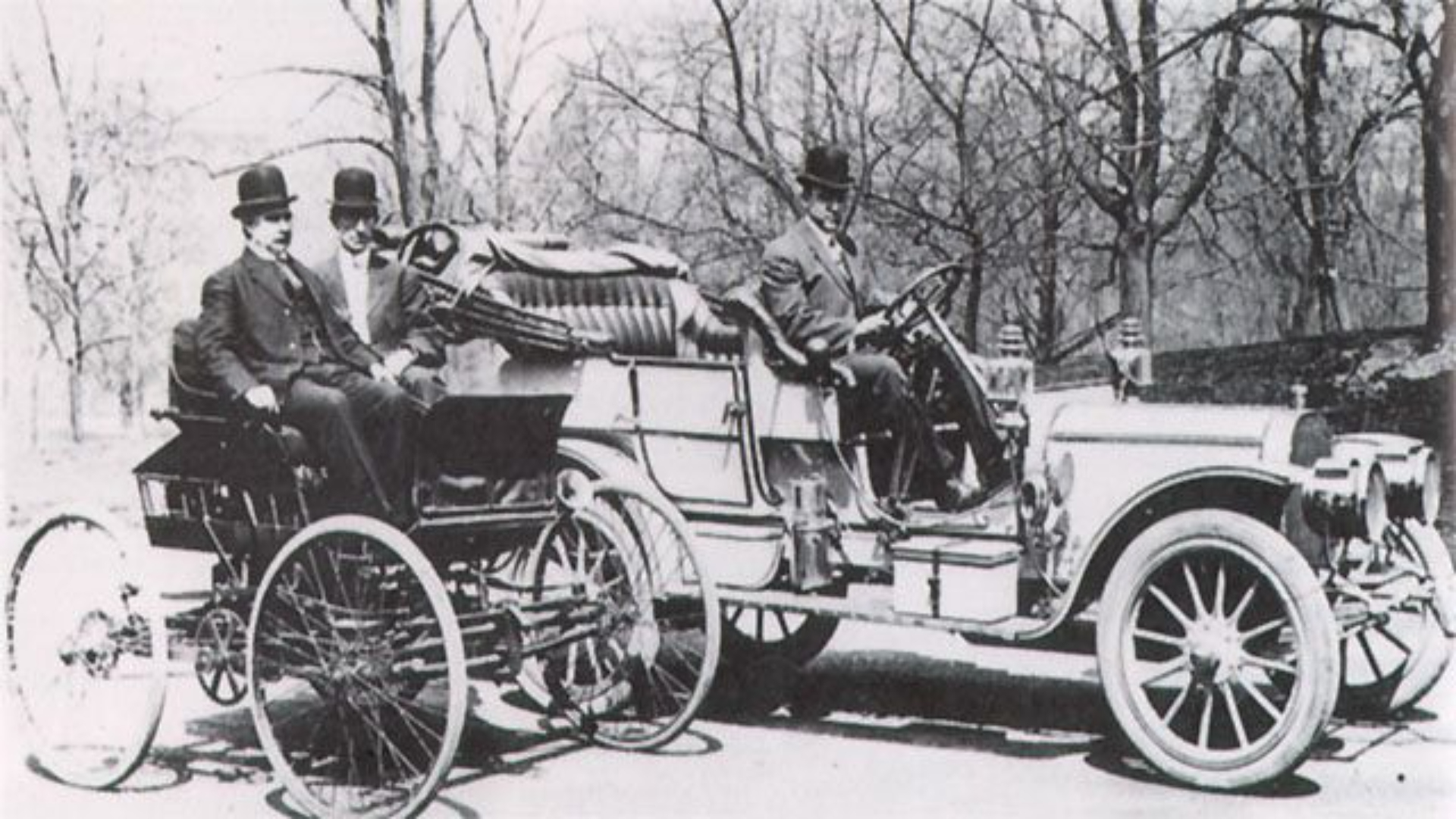
Invention of the Automobile:
The development of the modern automobile began in the late 19th century. Karl Benz is credited with inventing the first practical automobile powered by an internal combustion engine in 1886. This invention marked the beginning of the automotive industry.
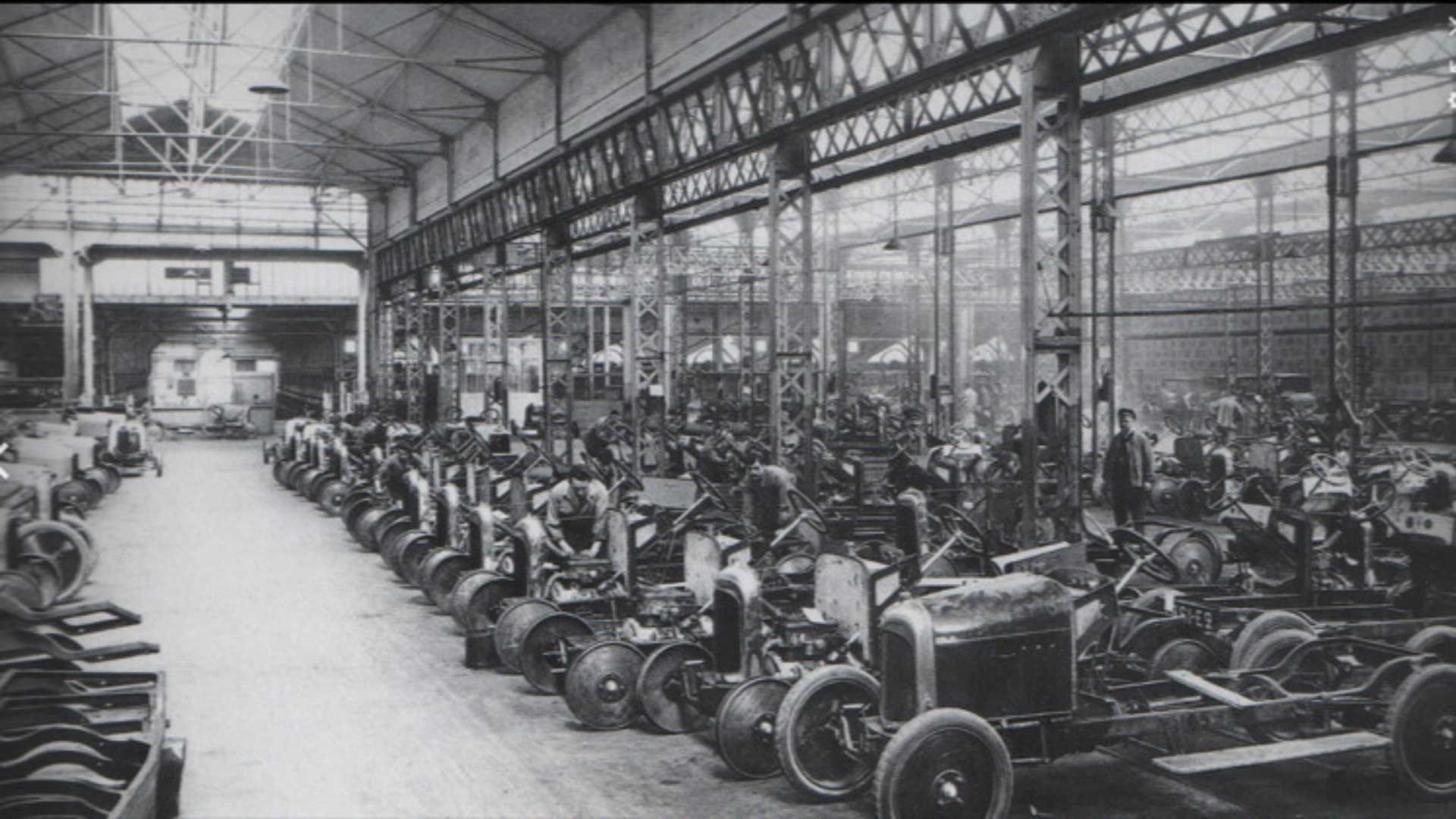
Mass Production:
Henry Ford revolutionized the car industry with the introduction of the assembly line and mass production techniques. In 1908, Ford introduced the Model T, which was affordable and reliable. The assembly line significantly reduced production time and cost, making cars accessible to the general public.
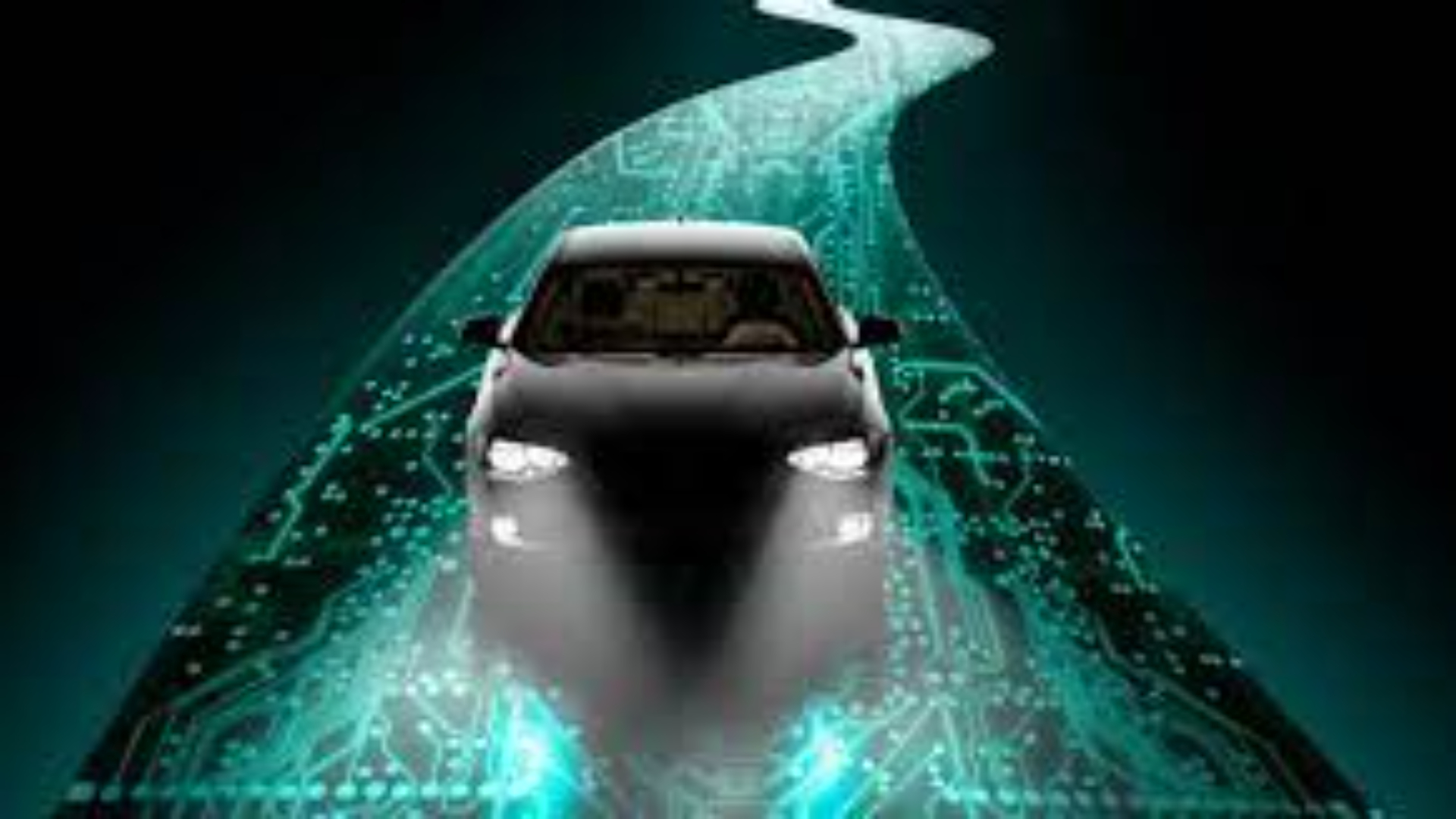
Technological Advancements:
Throughout the early 20th century, several technological advancements improved the performance and safety of cars. These included the introduction of electric starters, hydraulic brakes, improved suspension systems, and the development of enclosed bodies for comfort and protection.
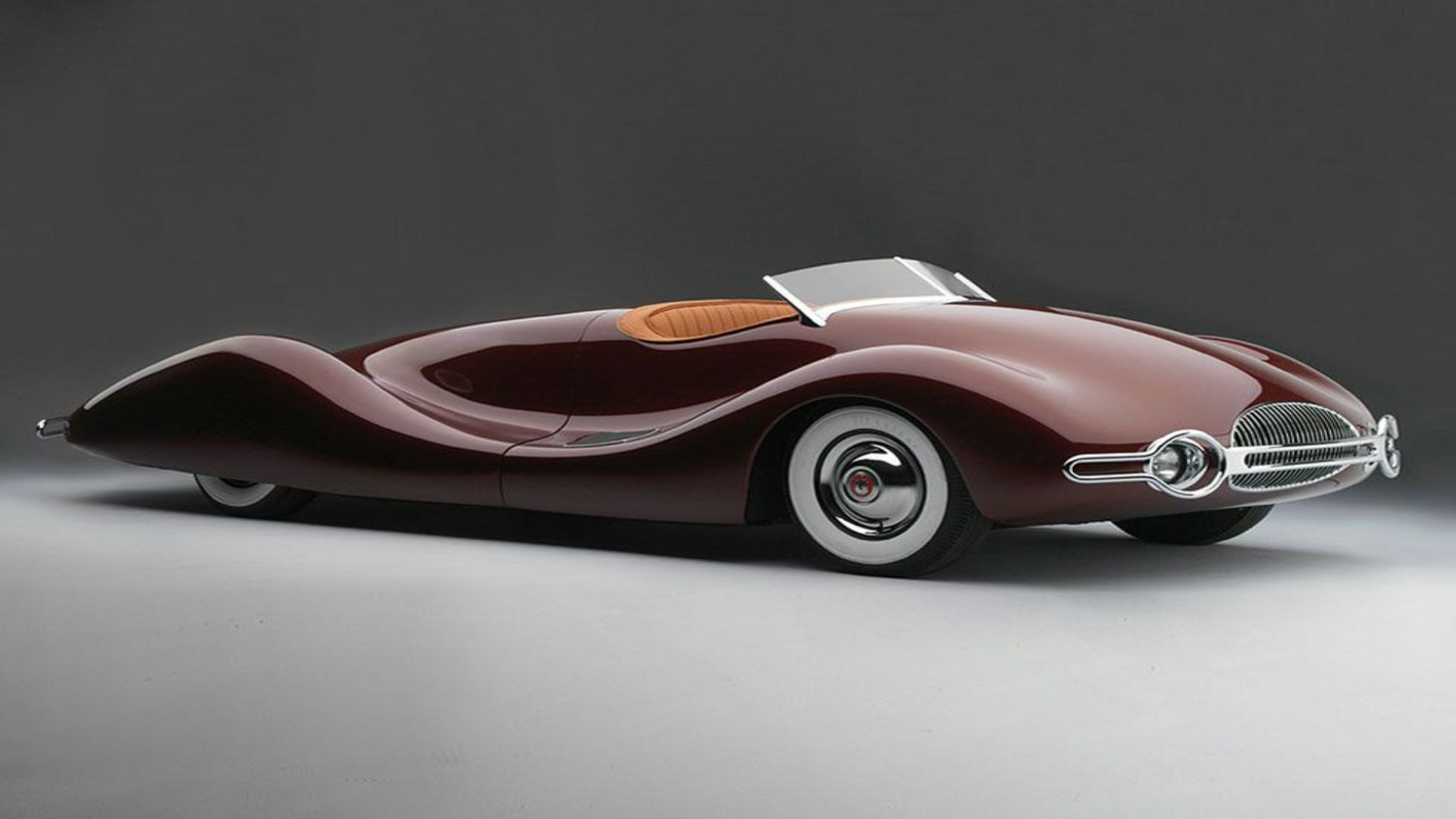
Streamlined Designs:
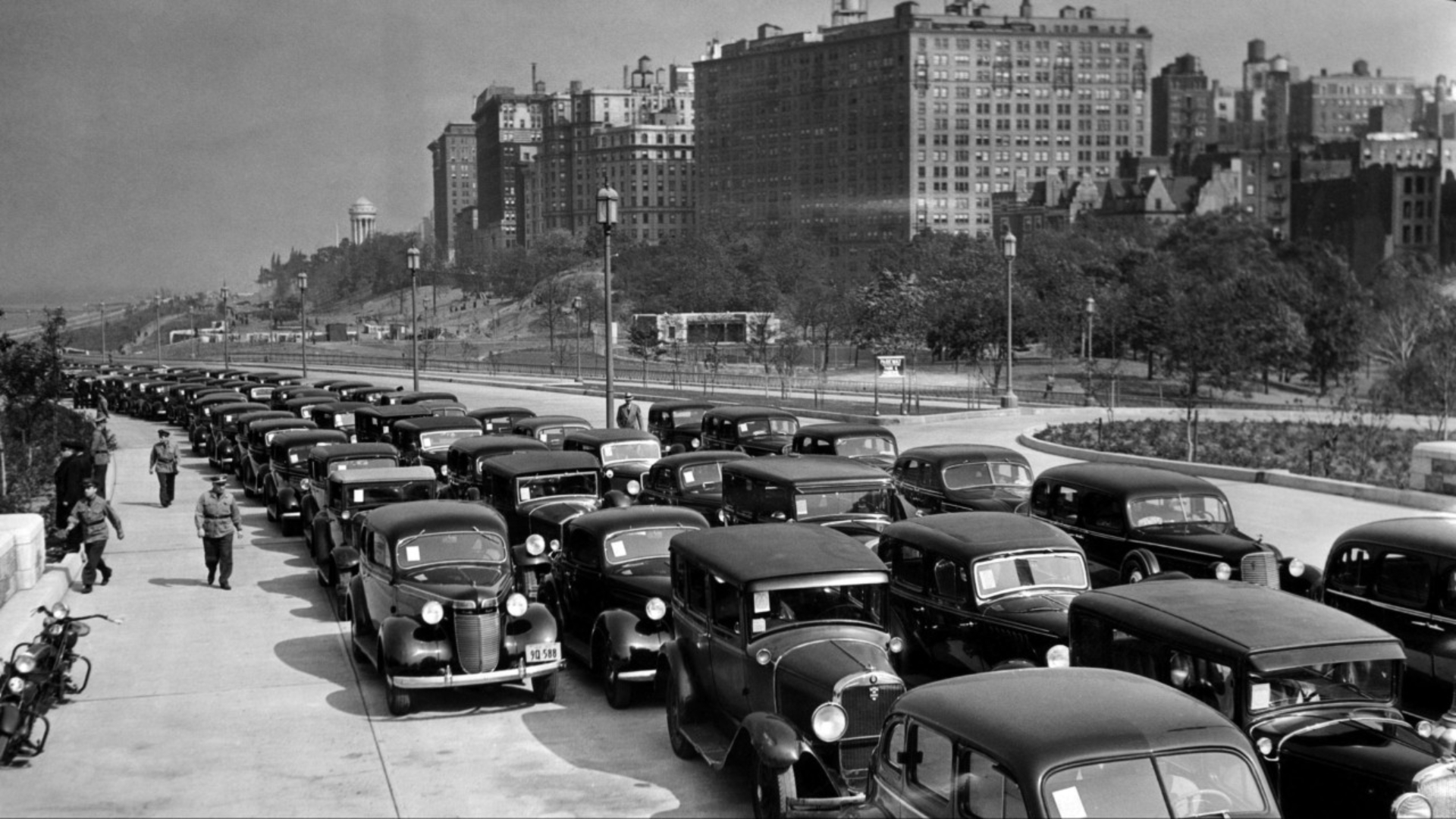
In the 1930s, car designers started experimenting with aerodynamics and streamlining to improve fuel efficiency. Sleek, rounded designs became popular, reflecting the influence of aviation technology.
Post-World War II Boom:
After World War II, the car industry experienced rapid growth and innovation. Manufacturers introduced new models and integrated various features like automatic transmissions, power steering, and air conditioning.

Safety Innovations:
Safety became a significant concern in the automotive industry. In the 1960s and 1970s, advancements such as seat belts, padded dashboards, and collapsible steering columns were introduced. Later, airbags, anti-lock braking systems (ABS), traction control, and electronic stability control (ESC) were developed to enhance safety.

Environmental Awareness:
With the rise of environmental concerns, car manufacturers began focusing on fuel efficiency and emissions reduction. In the 1970s and 1980s, catalytic converters, fuel injection systems, and electronic engine control units (ECUs) were introduced to improve efficiency and reduce pollution.
Rise of Alternative Powertrains:
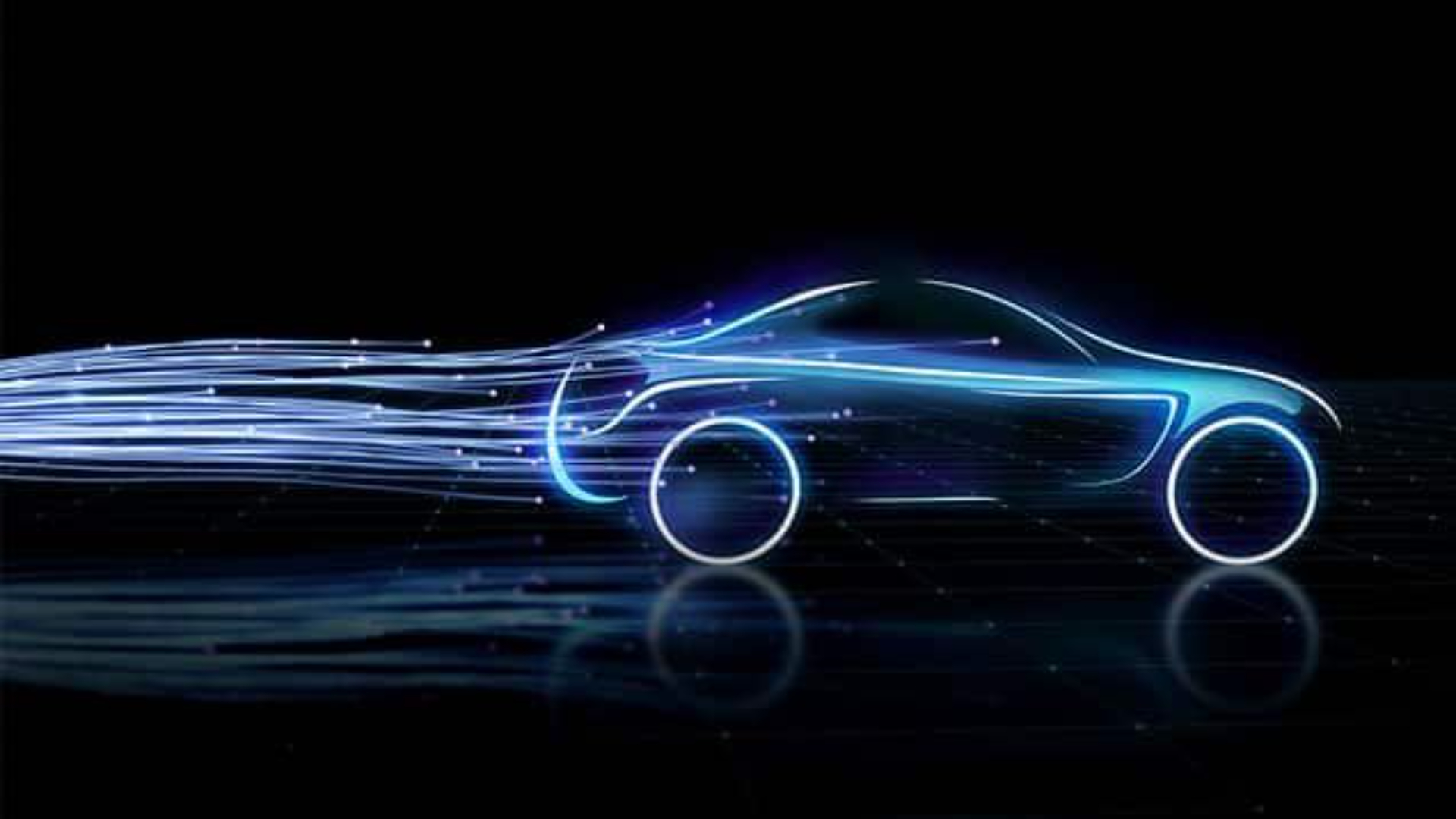
In recent decades, there has been a growing interest in alternative power sources for cars. Hybrid vehicles, which combine internal combustion engines with electric motors, gained popularity. Electric vehicles (EVs) have also seen significant advancements, with improved battery technology, longer ranges, and the establishment of charging infrastructure.
Connected and Autonomous Features:
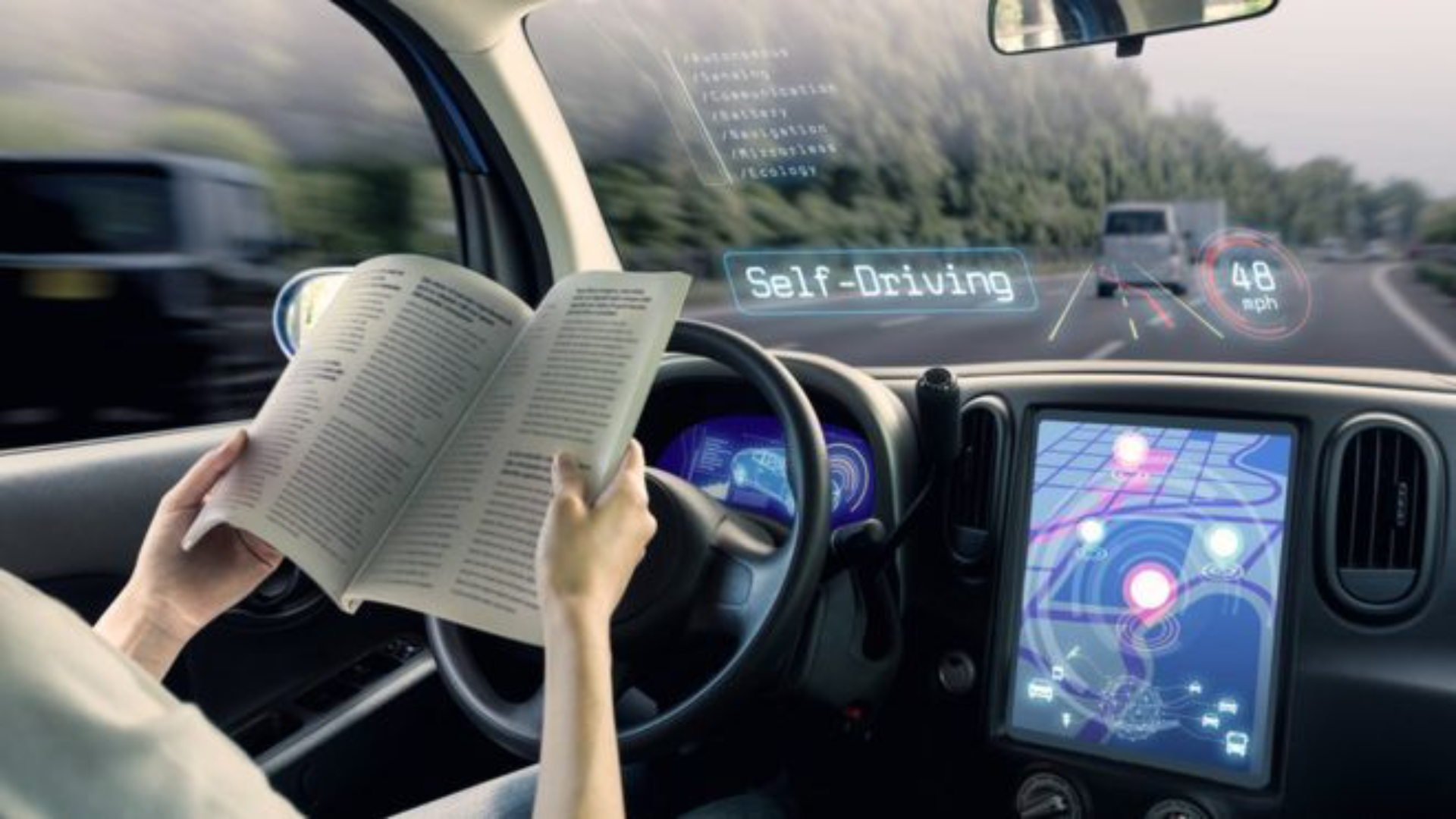
The digital revolution has transformed cars into connected devices. Modern cars are equipped with advanced infotainment systems, GPS navigation, and connectivity features. Additionally, self-driving technology has made significant strides, with autonomous vehicles undergoing testing and development.

Guess The Brand
"AutoDrive Challenge": Race iconic car brands, conquer diverse tracks, and dominate opponents
in this adrenaline-fueled, customizable racing game.
Future Trends:
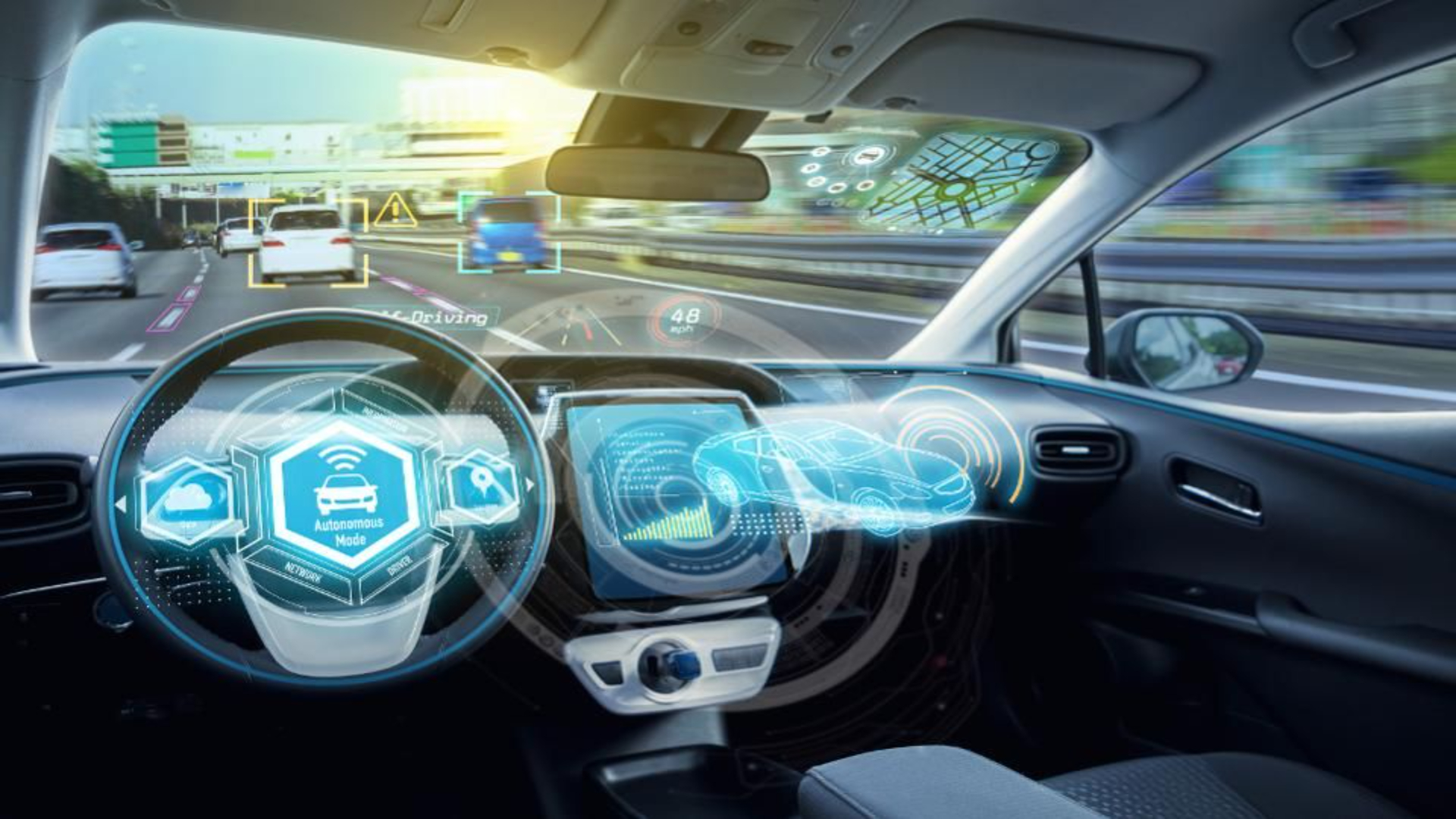
The future of cars is likely to be shaped by further advancements in electric and autonomous technologies. There is increasing focus on sustainable mobility, with a push towards electric and hydrogen-powered vehicles. Additionally, advancements in artificial intelligence, connectivity, and shared mobility services are expected to redefine transportation in the coming years.

Guess The parts
"AutoParts Challenge": Dive into the world of automotive components and build your way to
victory in this fast-paced, strategic parts game.