Future Trends
The future of automobiles holds exciting possibilities as the industry continues to evolve and embrace new
technologies. Here are some key future trends in automobiles:
Electric Vehicles (EVs) and Electrification: The shift towards electric vehicles is expected to accelerate.
Advances in battery technology, increased charging infrastructure, and growing environmental concerns are
driving the adoption of EVs. As battery costs decrease and range improves, EVs are becoming more accessible and
practical for everyday use.
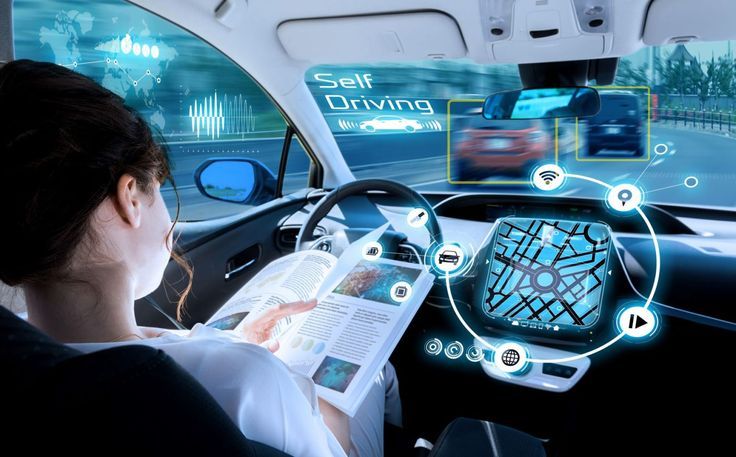
Autonomous Driving: Autonomous driving technology is rapidly advancing, with the goal of achieving fully
autonomous vehicles. While widespread deployment of fully autonomous cars may take time due to regulatory,
technological, and safety considerations, we can expect to see more advanced driver-assist systems and
incremental steps towards autonomous capabilities.
Connected Cars and V2X Communication: The integration of cars with the internet and other vehicles (V2X
communication) will enable enhanced connectivity, safety, and efficiency. Connected cars will facilitate
real-time traffic updates, remote diagnostics, over-the-air software updates, and communication with smart
infrastructure to optimize traffic flow and improve safety.
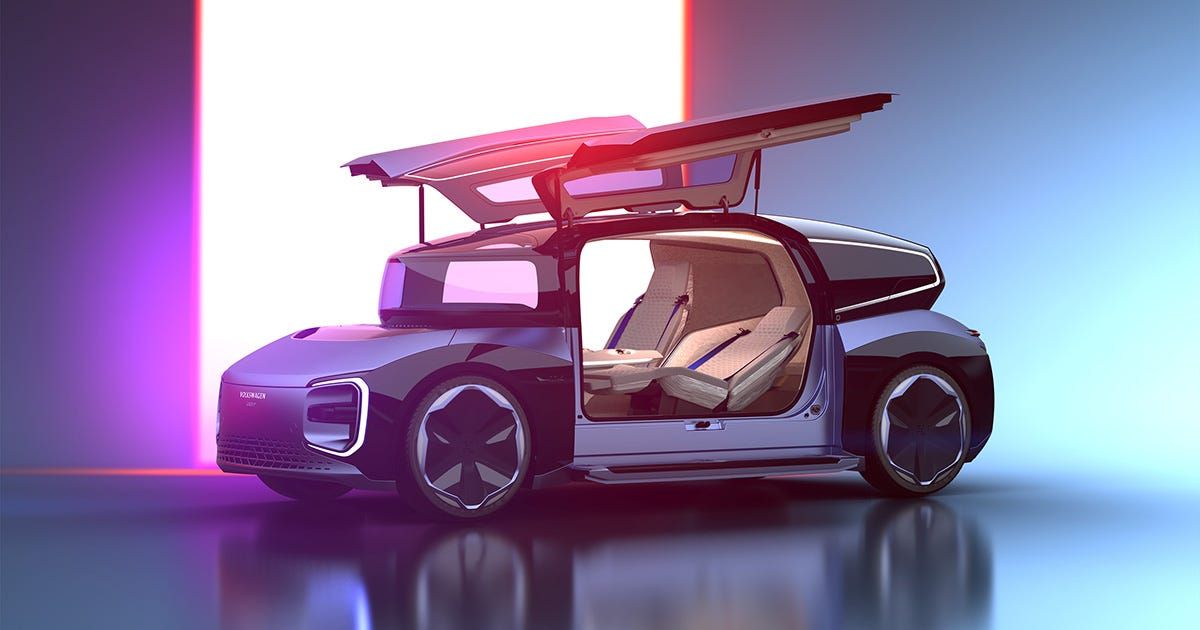
Shared Mobility and Ride-Sharing: The concept of car ownership is evolving as shared mobility and ride-sharing
services gain popularity. Car-sharing platforms, ride-hailing services, and subscription-based models allow
people to access vehicles as needed, reducing the need for individual car ownership. This trend may lead to
changes in urban planning and a shift towards more efficient and sustainable transportation systems.
Sustainable Materials and Manufacturing: Automakers are increasingly focusing on sustainable materials and
manufacturing processes. This includes using lightweight materials like carbon fiber and aluminum to improve
energy efficiency, as well as incorporating recycled and bio-based materials. Sustainable manufacturing
practices, such as reducing waste and energy consumption, will also play a significant role.
Advanced Safety Technologies: Vehicle safety will continue to be a priority, with advancements in safety
technologies such as advanced driver assistance systems (ADAS), pedestrian detection, emergency braking, and
blind-spot monitoring. These technologies aim to prevent accidents, reduce injuries, and enhance overall road
safety.
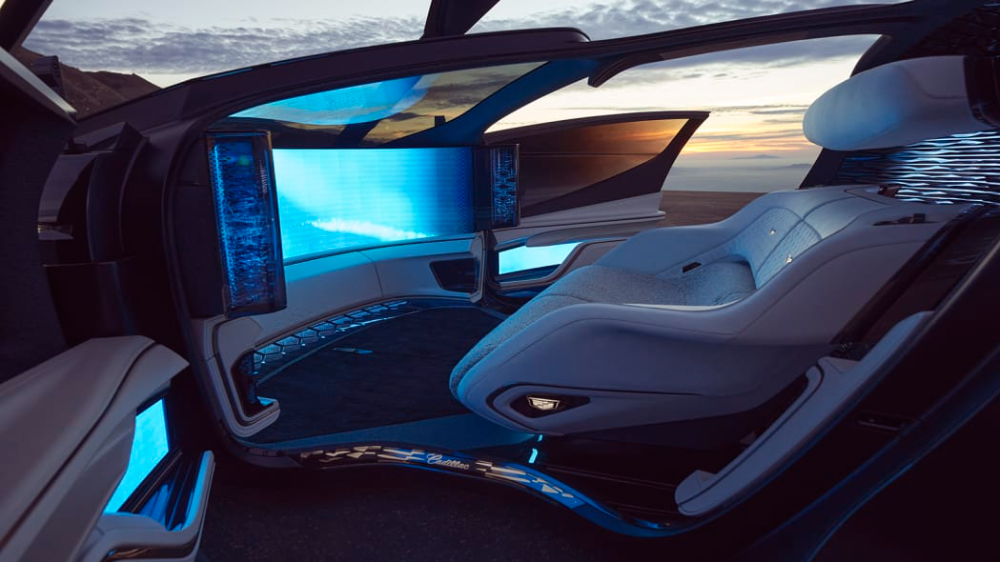
Connectivity and Infotainment: Cars will continue to evolve into connected platforms for communication,
entertainment, and productivity. Integration with smart devices, voice assistants, and personalized infotainment
systems will provide seamless connectivity and enhance the overall in-car experience.
Mobility as a Service (MaaS): Mobility as a Service is an emerging trend where transportation services are
integrated into a single platform, offering a seamless and personalized mobility experience. MaaS combines
public transportation, ride-sharing, bike-sharing, and other modes of transportation into a comprehensive
service accessible through digital platforms.
These are just a few of the future trends in the automobile industry. The ongoing advancements in technology,
environmental awareness, and changing consumer preferences are shaping a transformative era for transportation,
promising increased sustainability, safety, and convenience