Connected and Autonomous Features
Connected and autonomous features in cars represent the integration of advanced technologies into the
automotive industry, revolutionizing the driving experience and paving the way for the future of transportation.
Here are some key points about connected and autonomous features in cars
Connected Cars: Connected cars leverage internet connectivity and advanced communication technologies to provide
a wide range of features and services. These include:
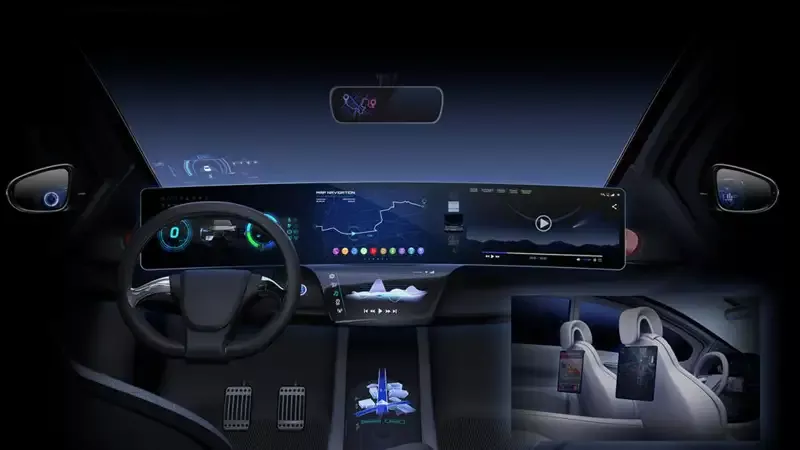
a. Infotainment and Connectivity: Connected cars offer multimedia entertainment systems, access to streaming
services, smartphone integration, and internet connectivity for navigation, real-time traffic updates, and
communication.
b. Telematics and Vehicle Monitoring: Connected cars enable remote monitoring of vehicle diagnostics,
maintenance alerts, and performance data. This data can be used for proactive maintenance, vehicle health
monitoring, and personalized services.
c. Safety and Emergency Services: Connected cars can provide automatic emergency calling (eCall) in case of
accidents, remote vehicle tracking, stolen vehicle recovery, and assistance services for breakdowns or
emergencies.
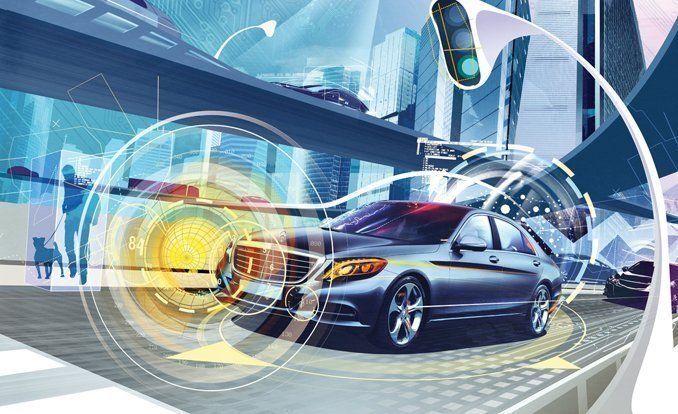
d. Vehicle-to-Vehicle (V2V) and Vehicle-to-Infrastructure (V2I) Communication: Connected cars can communicate
with other vehicles and infrastructure elements such as traffic lights or road signs, enabling enhanced safety
features, traffic optimization, and cooperative driving.
Advanced Driver Assistance Systems (ADAS): ADAS technologies incorporate sensors, cameras, and algorithms to
assist drivers and enhance safety. Some common ADAS features include:
a. Adaptive Cruise Control (ACC): ACC automatically adjusts the vehicle's speed to maintain a safe distance from
the vehicle ahead.
b. Lane Keeping Assist (LKA): LKA uses sensors and cameras to detect lane markings and helps keep the vehicle
within the intended lane.
c. Autonomous Emergency Braking (AEB): AEB detects potential collisions and automatically applies the brakes to
avoid or mitigate an impact.
d. Blind Spot Monitoring (BSM): BSM uses sensors to detect vehicles in the driver's blind spots and provides
alerts to prevent collisions during lane changes.
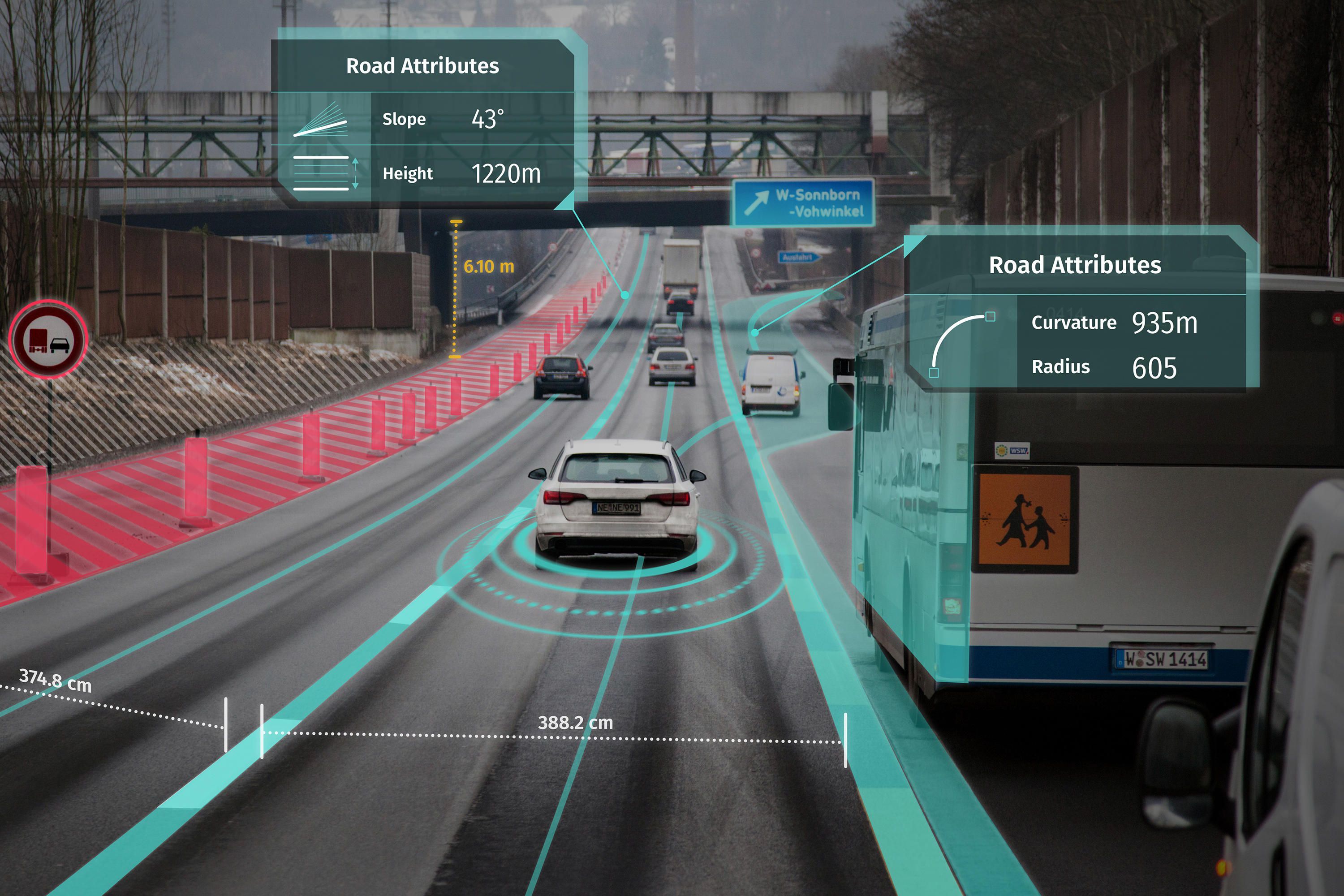
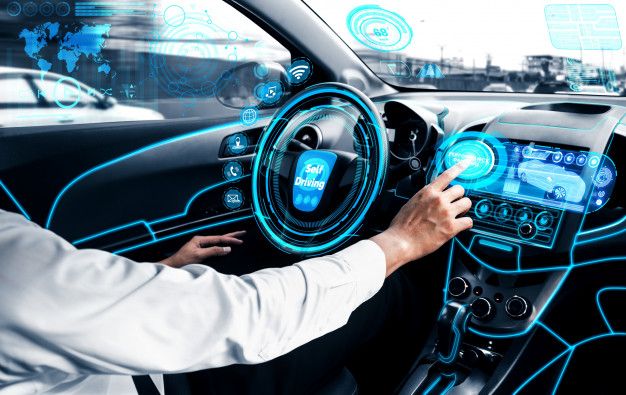
Autonomous Driving: Autonomous driving, also known as self-driving or driverless technology, aims to enable
vehicles to operate without human intervention. Autonomous vehicles (AVs) integrate a combination of sensors,
cameras, radar, lidar, and advanced software algorithms to perceive the environment, make decisions, and control
the vehicle. While fully autonomous vehicles are still in development and undergoing testing, various levels of
autonomy are being introduced, ranging from driver-assist systems to limited self-driving capabilities.
Benefits and Implications: Connected and autonomous features have the potential to bring numerous benefits,
including improved road safety, reduced congestion, enhanced traffic flow, increased efficiency, and enhanced
mobility for individuals who cannot drive. However, their adoption also raises concerns about cybersecurity,
data privacy, legal and regulatory frameworks, ethical considerations, and the impact on employment in the
transportation industry.
Connected and autonomous features in cars represent a paradigm shift in the automotive industry, offering new
possibilities for convenience, safety, and efficiency. As technology continues to advance, further integration
of these features is expected, transforming the way we commute and interact with vehicles on the road