Rise of Alternative Powertrains
The rise of alternative powertrains in the automobile industry is a response to the need for cleaner and more
sustainable transportation solutions. Traditional internal combustion engines (ICEs) have long dominated the
market, but advancements in technology and growing environmental concerns have paved the way for alternative
powertrains. Here are some key points regarding the rise of alternative powertrains:
Electric Vehicles (EVs): Electric vehicles have gained significant traction in recent years. EVs are powered by
electric motors and use rechargeable batteries as their energy source. They produce zero tailpipe emissions,
helping to reduce greenhouse gas emissions and air pollution. Advances in battery technology have led to
increased driving ranges and faster charging times, making EVs more practical and appealing to consumers.
Hybrid Vehicles: Hybrid vehicles combine an internal combustion engine with an electric motor and battery. They
can operate on either the combustion engine or the electric motor alone, or a combination of both. Hybrid
vehicles offer improved fuel efficiency compared to conventional vehicles, as the electric motor assists the
engine during acceleration and captures energy through regenerative braking.
Plug-in Hybrid Vehicles (PHEVs): Plug-in hybrid vehicles are similar to hybrid vehicles but with larger
batteries that can be charged by plugging them into an external power source. This enables PHEVs to run on
electricity for longer distances, reducing reliance on the combustion engine. PHEVs provide the flexibility of
using electric power for shorter trips and the extended range of a combustion engine for longer journeys.
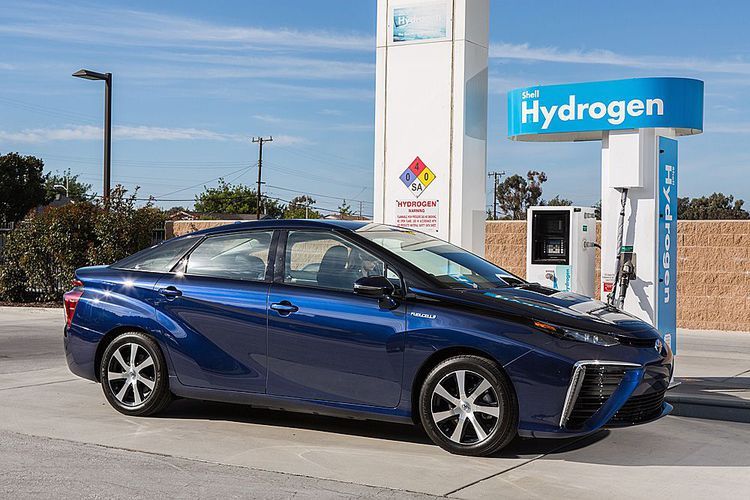
Hydrogen Fuel Cell Vehicles: Fuel cell vehicles use hydrogen gas to generate electricity through a chemical
reaction with oxygen, producing water vapor as the only byproduct. Fuel cell vehicles offer zero-emission
driving and have the advantage of quick refueling times compared to battery electric vehicles. However,
infrastructure for hydrogen refueling stations is still limited in many regions.
Biofuels and Natural Gas: Biofuels, such as ethanol and biodiesel, are derived from renewable sources such as
crops or agricultural waste. They can be used in existing internal combustion engines with minimal
modifications, reducing greenhouse gas emissions. Natural gas vehicles (NGVs) use compressed natural gas (CNG)
or liquefied natural gas (LNG) as an alternative to gasoline or diesel. Natural gas is a cleaner-burning fuel
with lower emissions compared to conventional fuels.
Government Incentives and Regulations: The adoption of alternative powertrains has been supported by government
incentives and regulations aimed at reducing emissions and promoting cleaner transportation. Incentives such as
tax credits, rebates, and grants encourage consumers to purchase alternative powertrain vehicles. Additionally,
regulatory measures like emissions standards and zero-emission vehicle mandates drive automakers to develop and
produce more eco-friendly vehicles.
The rise of alternative powertrains reflects the industry's commitment to reducing carbon emissions, improving
air quality, and addressing climate change. As technology continues to advance and infrastructure expands,
alternative powertrains are expected to play an increasingly prominent role in the future of transportation