The Automobile industry
The invention of automobiles marked a significant milestone in human history, revolutionizing transportation
and shaping the modern world. Here's some information about the invention of automobiles.
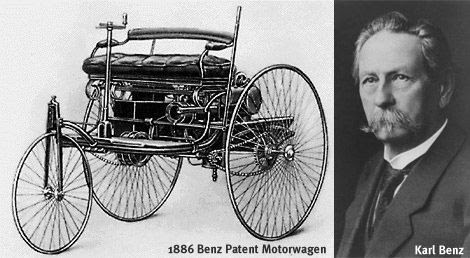
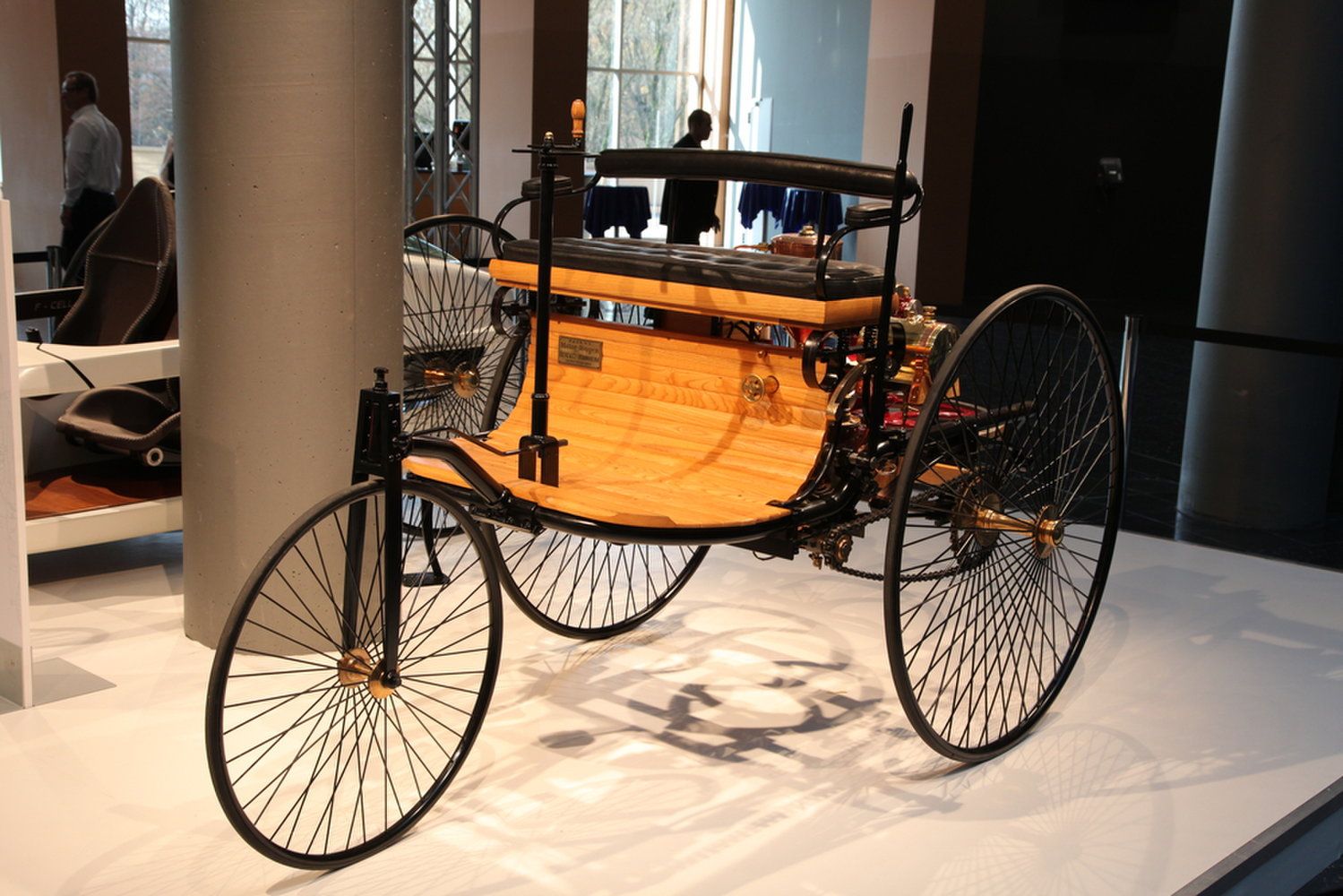
The First Practical Automobile: The first practical automobile, designed to be driven on roads, was built by
Karl Benz in 1886. His invention, known as the Benz Patent-Motorwagen, featured a gasoline-powered internal
combustion engine.
Early Innovators: Before Benz, several inventors and engineers made contributions to the development of
automobiles. These include Nicolas-Joseph Cugnot, who built a steam-powered vehicle in 1769, and Siegfried
Marcus, who created a gasoline-powered engine in the 1870s.
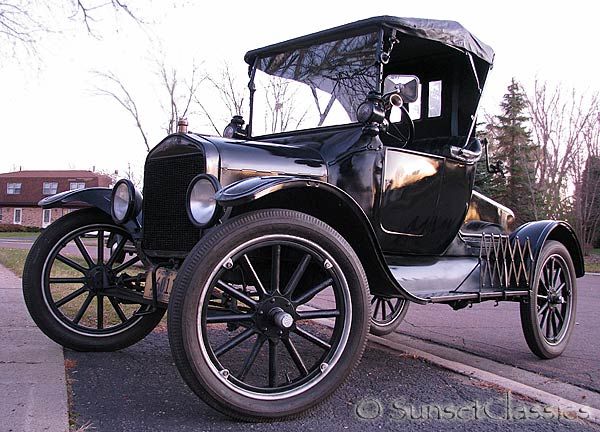
Mass Production: The mass production of automobiles began with the introduction of the assembly line by Henry
Ford in the early 20th century. Ford's Model T, first produced in 1908, was the first affordable car for the
average consumer, and its production techniques revolutionized the industry.
Automotive Industry Growth: The automobile industry experienced rapid growth and innovation throughout the 20th
century. Major companies such as General Motors, Ford, and Chrysler emerged as key players, introducing new
models, technologies, and production methods.
Technological Advancements: Over time, automobiles underwent numerous technological advancements. These include
improvements in engine efficiency, safety features (e.g., seat belts, airbags), transmission systems,
suspension, braking, and the development of alternative fuels and electric vehicles.
Impact on Society: The invention of automobiles had a profound impact on society. It transformed personal
transportation, enabling people to travel more easily and quickly. It also led to the development of
infrastructure like roads, highways, and gas stations. Cars played a pivotal role in shaping urban planning and
influenced social and economic patterns, such as suburbanization.
Modern Automotive Industry: Today, the automotive industry is a global powerhouse, employing millions of people
worldwide. It encompasses a wide range of companies involved in vehicle manufacturing, design, technology, and
services.
It's important to note that the invention of automobiles was a cumulative effort involving various inventors and
engineers over time. Karl Benz's creation is often credited as the first practical automobile, but the
development of this transformative technology involved the contributions of many individuals