Streamlined Designs
Streamlined designs in cars, also known as aerodynamic designs, focus on reducing air resistance and drag to
improve the vehicle's efficiency and performance. This design approach became particularly popular in the
automotive industry during the mid-20th century. Here are some key points about streamlined designs:
Origins: The concept of streamlining in automotive design emerged from the field of aviation. The study of
aerodynamics and the desire for faster, more efficient aircraft inspired automotive engineers to apply similar
principles to cars.
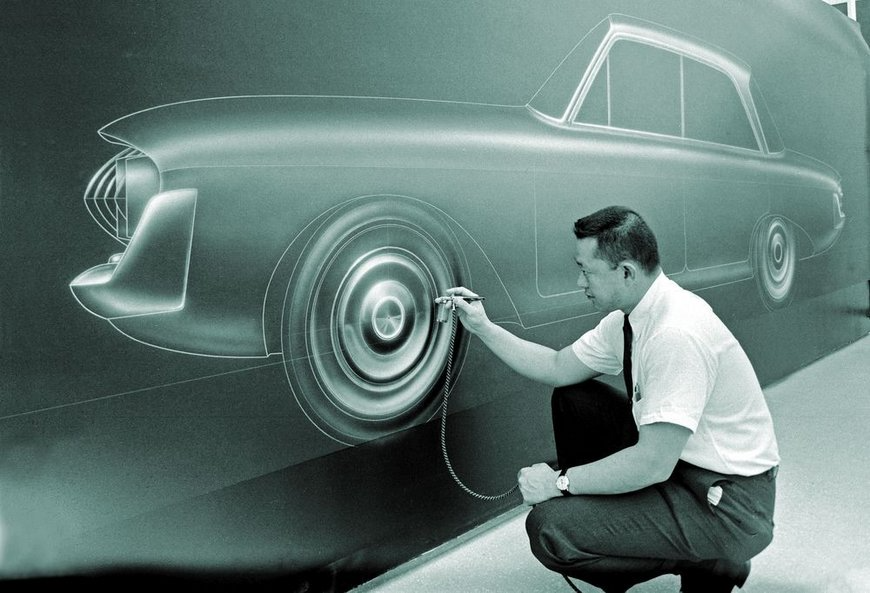
Features: Streamlined car designs typically feature smooth, rounded contours, sloping roofs, integrated fenders,
and reduced protrusions. These design elements help streamline the flow of air around the vehicle, minimizing
drag and turbulence.
Benefits: The primary benefit of streamlined designs is improved aerodynamic efficiency, leading to increased
fuel efficiency and higher top speeds. Streamlined cars experience reduced air resistance, allowing them to
achieve better performance and consume less energy while maintaining stability.
Examples: Several iconic car models are known for their streamlined designs. One notable example is the
Volkswagen Beetle, which featured a rounded, teardrop-shaped body that minimized drag. Other examples include
the Chevrolet Corvette Stingray, Jaguar E-Type, and numerous concept cars developed by various automakers.
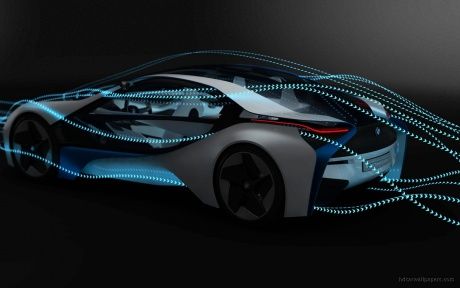
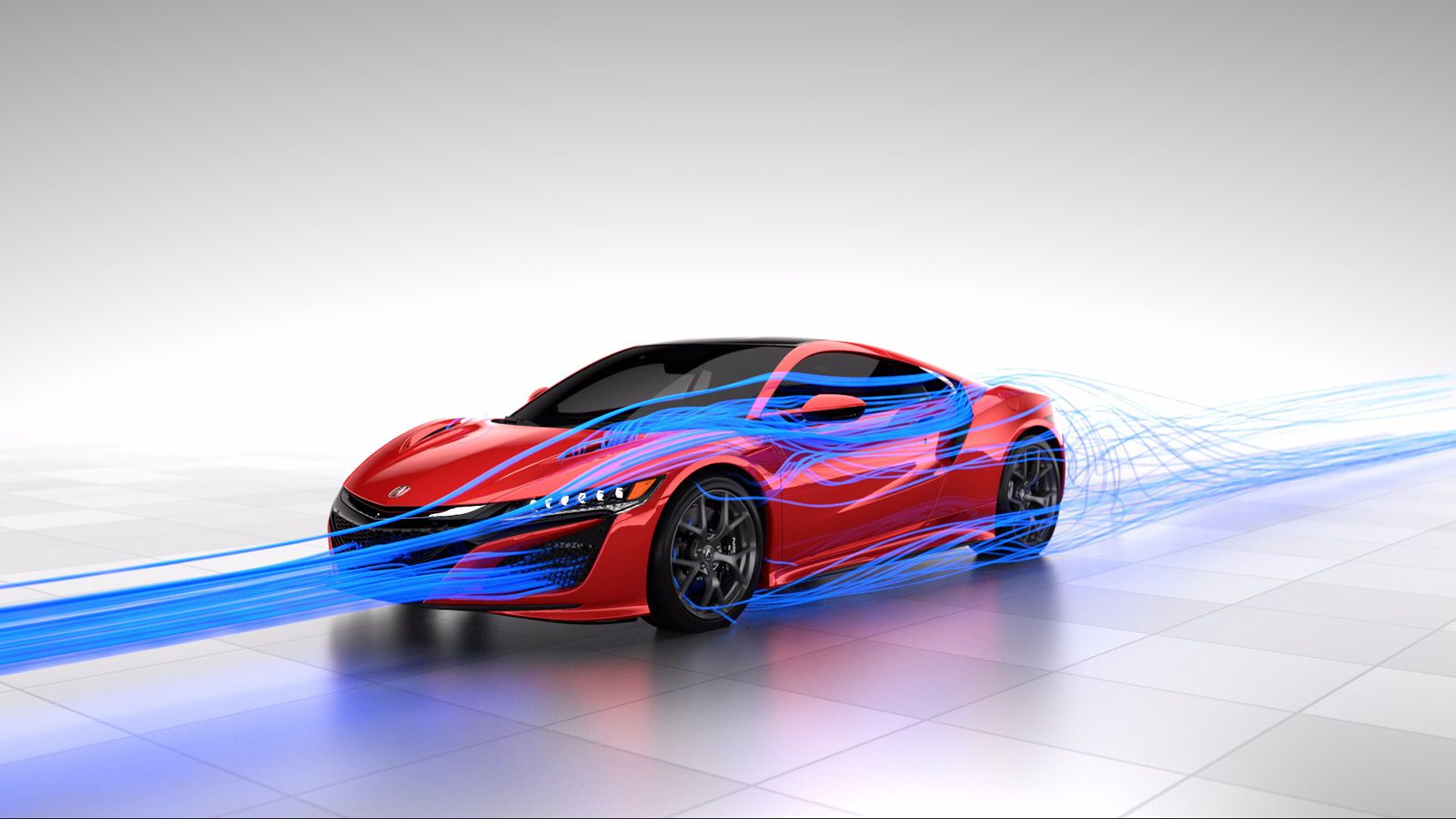
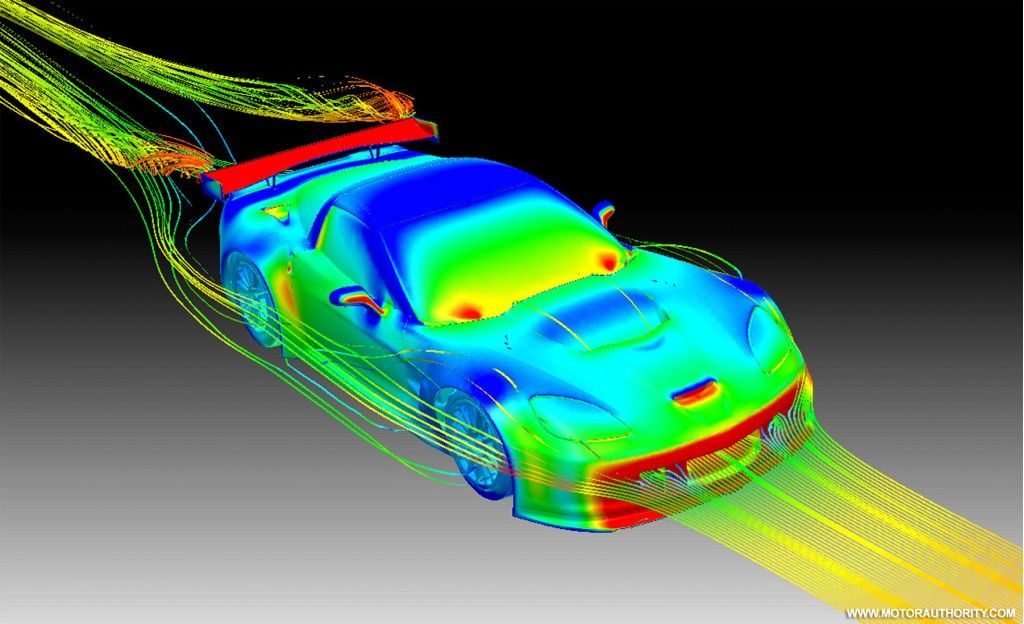
Modern Applications: Streamlined designs continue to play a role in modern automotive design, although other
factors such as safety regulations and styling preferences have influenced car designs as well. Advanced
computer simulations and wind tunnel testing are utilized to optimize aerodynamics in contemporary vehicles,
improving efficiency and reducing emissions.
If you'd like to learn more about streamlined designs in cars, I recommend visiting the Wikipedia page on
"Automobile aerodynamics," which provides in-depth information on this topic.
The Wikipedia page provides an overview of the streamline design movement, which emerged in the 1930s and 1940s
as a response to advancements in aerodynamics and the desire for more efficient and visually appealing vehicles.
It discusses the influence of industrial designers like Harley Earl, Raymond Loewy, and Norman Bel Geddes, who
played significant roles in shaping the streamlined car aesthetic.
The page highlights iconic streamlined car models from different manufacturers, including the Chrysler Airflow,
Tatra T77, and the futuristic-looking Tucker 48. It explores the technological advancements and innovative
features incorporated into these cars to achieve improved aerodynamics and reduced drag.