Production of Automobiles
The mass production of automobiles was a pivotal development that revolutionized the automotive industry and
made cars more affordable and accessible to the general public. Here's some information about the mass
production of automobiles:
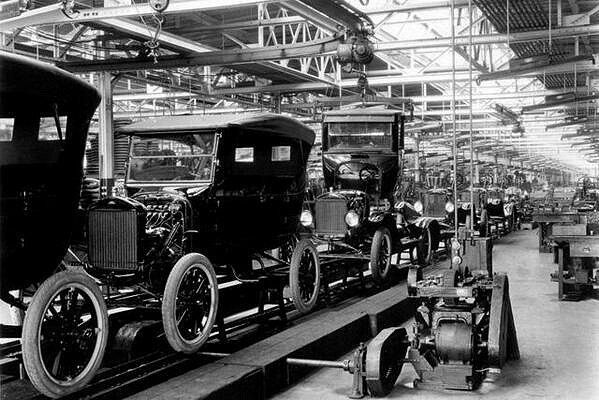
Henry Ford is often credited with pioneering mass production techniques in the automobile industry. In 1913,
Ford introduced the world's first moving assembly line at his Highland Park factory in Michigan, United States.
This innovation allowed for the efficient production of automobiles by breaking down the manufacturing process
into a series of repetitive tasks. Workers would remain in fixed positions as the vehicles moved along the
assembly line, with each worker responsible for a specific task.
The introduction of the assembly line had several significant benefits. It greatly increased production speed
and efficiency, allowing for a higher volume of vehicles to be manufactured in a shorter period. It also reduced
the cost of production, as the streamlined process minimized labor requirements and reduced waste. As a result,
the prices of automobiles dropped significantly, making them more affordable for a larger segment of the
population.
Ford's Model T, introduced in 1908, was the first automobile to be mass-produced using assembly line methods. By
1916, Ford's factories were producing over 500,000 cars per year, transforming the industry and setting new
standards for efficiency and productivity. The success of the assembly line in the automotive sector inspired
other industries to adopt similar mass production techniques.
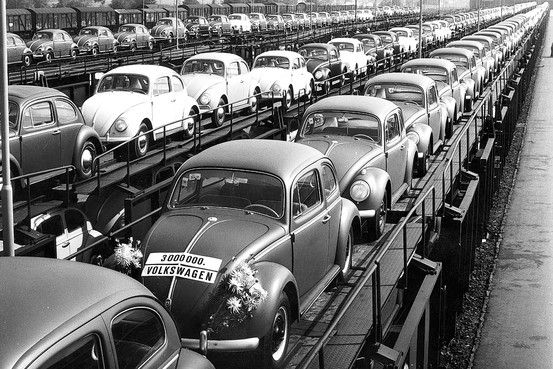
The mass production of automobiles not only revolutionized the manufacturing process but also had broader
implications for society. It sparked economic growth and created numerous job opportunities in manufacturing and
related industries. The affordability of cars and increased availability led to a surge in car ownership,
transforming personal transportation and reshaping urban planning and infrastructure development.
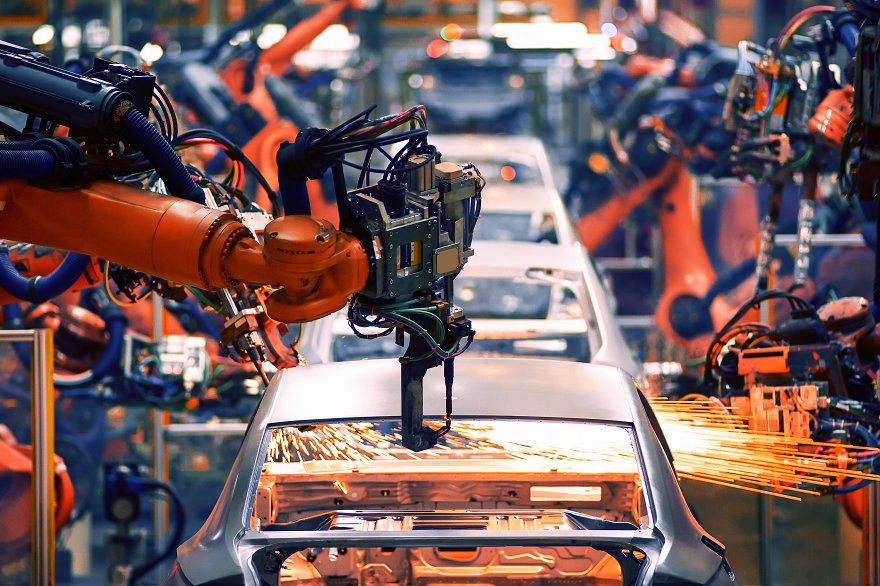
Today, mass production techniques continue to be a cornerstone of the automotive industry. Manufacturers around
the world utilize efficient assembly line processes to produce a wide range of vehicles, catering to diverse
consumer needs and preferences. However, modern production methods also incorporate advanced technologies and
automation to further enhance efficiency and quality control