Post-World War II Boom
The post-World War II era witnessed a significant boom in the car industry, marked by unprecedented growth,
technological advancements, and increased consumer demand. Here's some information about the boom in the car
industry during this period:
Economic Recovery and Increased Affluence: After World War II, many countries experienced a period of economic
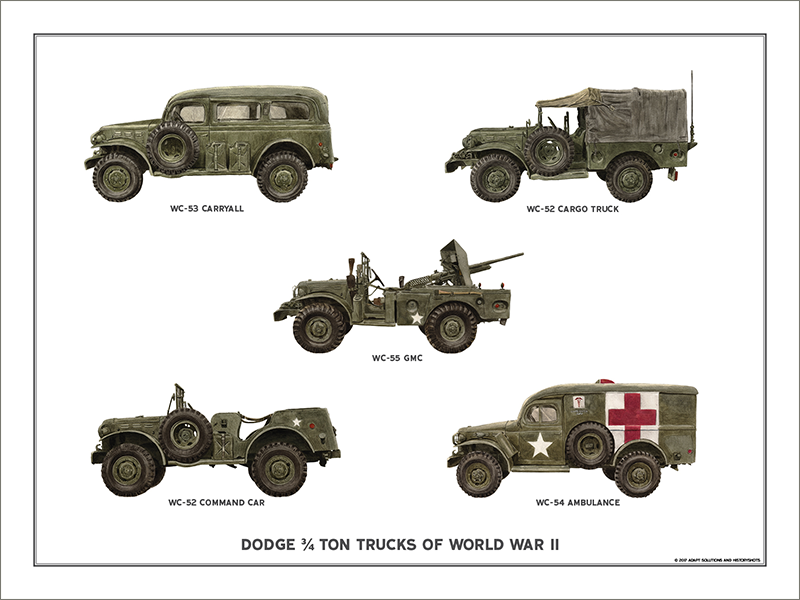
recovery and growth. The wartime production capacity and technological advancements made during the war
transitioned into the civilian sector, enabling the automobile industry to expand rapidly. Rising incomes,
increased employment opportunities, and improved living standards contributed to a surge in consumer spending,
including the purchase of cars.
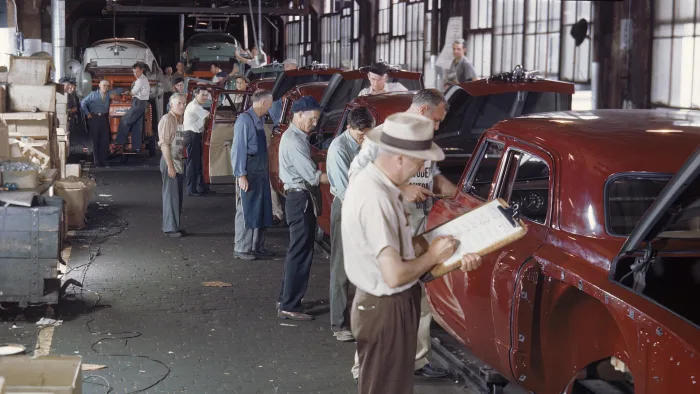
Mass Production and Standardization: The techniques of mass production and standardization, pioneered by Henry
Ford and refined during the war, played a significant role in the post-war boom. The assembly line and
streamlined manufacturing processes allowed for faster and more efficient production of automobiles. This, in
turn, reduced costs, making cars more affordable and accessible to a larger segment of the population.
Model Diversity and Innovation: The post-war period saw an explosion in the diversity and innovation of car
models. Automakers introduced new designs, features, and technologies to attract customers. This era witnessed
the rise of iconic car models, such as the Chevrolet Bel Air, Ford Thunderbird, Volkswagen Beetle, and the
introduction of muscle cars like the Ford Mustang and Chevrolet Camaro. Increased competition among
manufacturers drove continuous advancements in styling, performance, and safety features.
Infrastructure Development: The boom in the car industry led to the development of infrastructure to support
increased automobile usage. Governments invested in building and expanding road networks, creating highways, and
implementing traffic management systems. This infrastructure development facilitated greater mobility and
encouraged more people to own and use cars.
Suburbanization and Car Culture: The post-war period also witnessed a shift towards suburban living and the
emergence of car culture. Improved transportation infrastructure and affordable automobiles allowed people to
live farther from city centers, leading to the growth of suburbs. Cars became a symbol of freedom,
individuality, and social status. The popularity of drive-in theaters, car clubs, and road trips further
solidified the connection between cars and leisure activities.
The post-World War II boom in the car industry not only transformed transportation but also had broader economic
and social impacts. It stimulated economic growth, provided employment opportunities, and contributed to the
development of ancillary industries. Additionally, the increased availability and affordability of cars reshaped
urban planning, consumer culture, and personal mobility for generations to come