Safety Innovations
The automobile industry has made significant advancements in safety technologies over the years, prioritizing
the well-being of drivers, passengers, and pedestrians. Here are some notable safety innovations in the
automotive industry
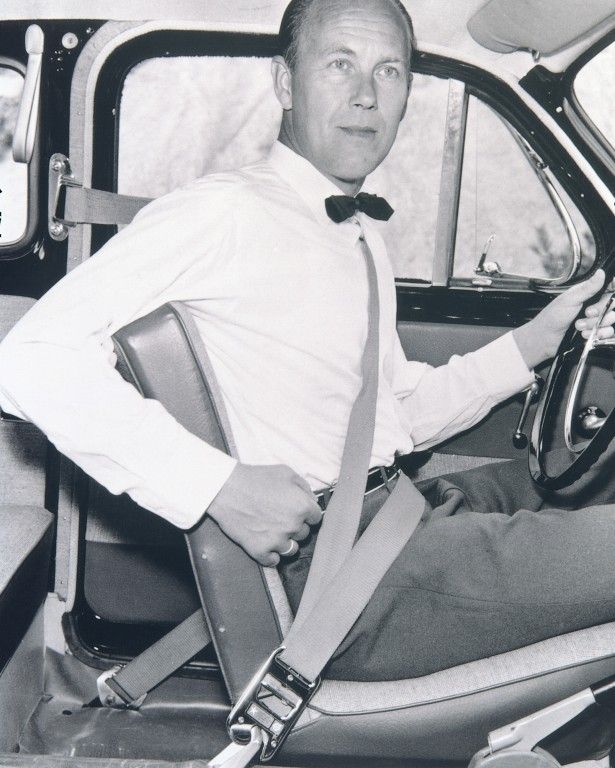
Seat Belts: Seat belts are one of the most fundamental and effective safety features in automobiles. They help
to restrain occupants during collisions and prevent them from being thrown forward or out of the vehicle. Seat
belts became standard in most vehicles by the 1960s, and their usage has saved countless lives.
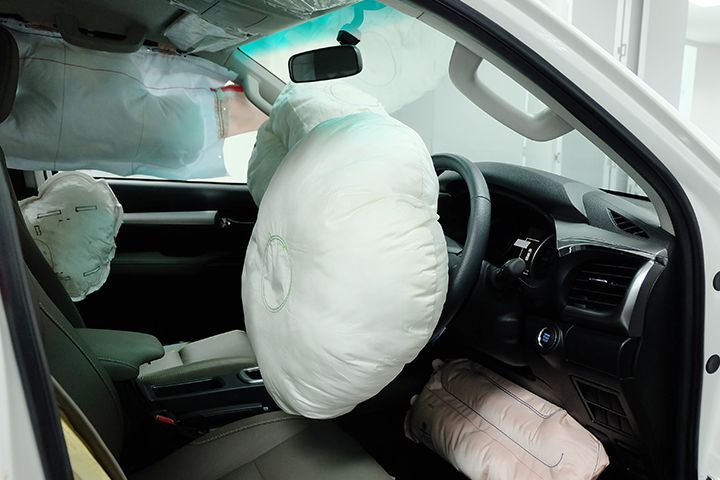
Airbags: Airbags are inflatable cushions designed to protect occupants during a collision. They rapidly deploy
upon impact, providing a cushioning effect and reducing the risk of severe injuries. Airbags are typically
located in the steering wheel, dashboard, side panels, and even the seat belts. They work in conjunction with
seat belts to provide enhanced protection.
Anti-lock Braking System (ABS): ABS is a safety system that prevents the wheels from locking up during braking,
allowing drivers to maintain steering control and reduce the risk of skidding. By pulsating the brakes rapidly,
ABS enables the driver to maneuver around obstacles while braking, enhancing overall vehicle stability.
Electronic Stability Control (ESC): ESC is a system that helps drivers maintain control of their vehicles during
challenging driving conditions, such as sudden maneuvers or slippery roads. It uses sensors to monitor the
vehicle's movement and selectively applies braking to individual wheels to correct oversteer or understeer,
reducing the likelihood of a loss of control.
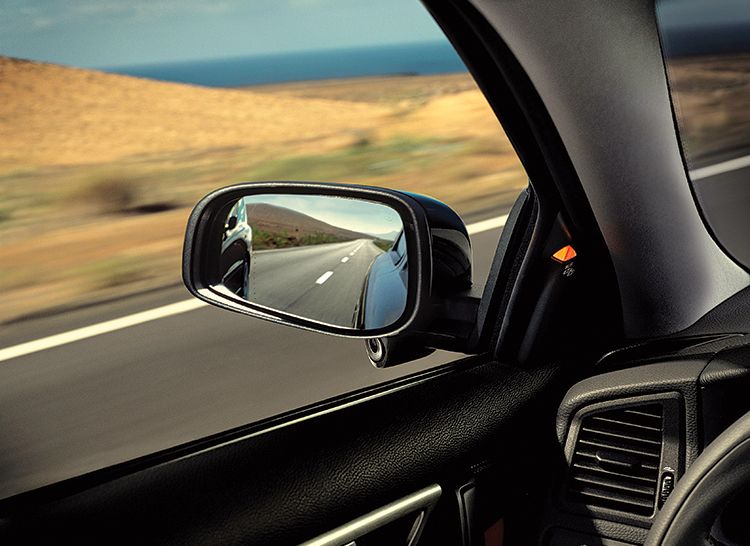
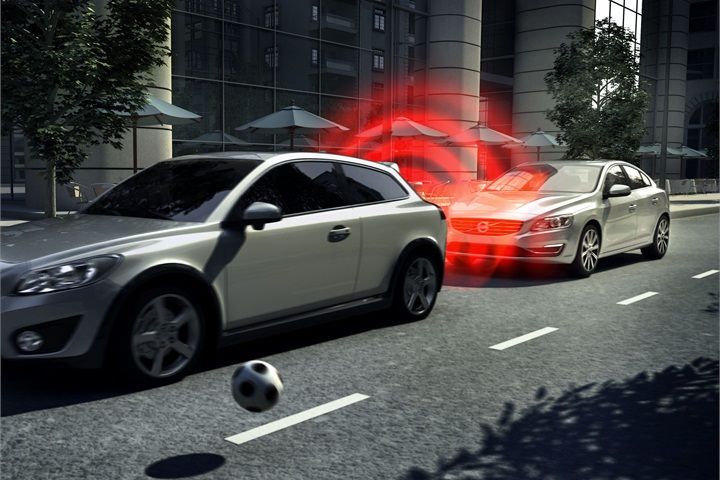
Advanced Driver Assistance Systems (ADAS): ADAS technologies have gained prominence in recent years, leveraging
various sensors and cameras to assist drivers and enhance safety. Some examples include adaptive cruise control,
forward collision warning, lane departure warning, blind-spot monitoring, and automatic emergency braking. These
systems provide alerts and, in some cases, can take corrective actions to prevent or mitigate collisions.
Crumple Zones: Crumple zones are designed to absorb and dissipate the energy generated during a collision,
thereby reducing the impact forces on occupants. These zones, typically located at the front and rear of
vehicles, deform upon impact, increasing the time over which the collision occurs and minimizing the transfer of
forces to the passenger compartment.
Vehicle Structure and Safety Materials: Modern vehicles are designed with strong and rigid structures,
incorporating high-strength materials such as steel, aluminum, and composites. These materials enhance the
structural integrity of the vehicle, protecting occupants in the event of a crash.
These safety innovations, among others, have played a vital role in reducing injuries and fatalities on the
roads. The automotive industry continues to invest in research and development to further advance safety
technologies, with a growing focus on autonomous driving and active safety systems aimed at preventing accidents
altogether